

Dr. Belal Bin Asaf
Thoracic (Chest) Surgeon
Director, Institute of Chest Surgery,
Chest Onco-Surgery & Lung Transplantation, Medanta Hospital

-
 [email protected]
-
Follow Us:


Dr. Belal Bin Asaf
Thoracic (Chest) Surgeon
Director, Institute of Chest Surgery,
Chest Onco-Surgery & Lung Transplantation, Medanta Hospital
[email protected]
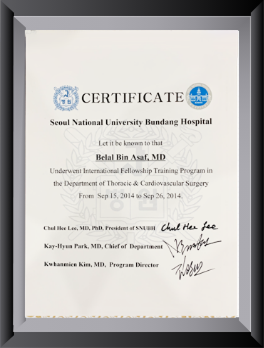
If you've been dealing with a cough that produces mucus every single day, chest infections that keep returning, or you've been told your lungs show permanent scarring on a CT scan, it's worth getting an experienced thoracic specialist's opinion rather than cycling through repeat antibiotic courses. Dr. Belal Bin Asaf, a bronchiectasis specialist Srinagar patients can now consult locally, serves as Director of the Institute of Chest Surgery, Chest Onco-Surgery & Lung Transplantation at Medanta Hospital, Noida. He trained as a Clinical Registrar in General Thoracic Surgery at AIIMS, New Delhi, completed a fellowship in Thoracic Surgery at Seoul National University Bundang Hospital in South Korea, and holds the distinction of being the first surgeon in India to perform a robotic subxiphoid thymectomy.
With over 15 years of dedicated thoracic surgery experience, Dr. Belal Bin Asaf offers bronchiectasis treatment Srinagar patients can access for a proper, specialist-led evaluation of lung damage that's often been managed for years with antibiotics alone. While surgery is only needed for a minority of bronchiectasis cases, knowing which patients genuinely stand to benefit from it , and which don't , requires exactly this kind of specialised assessment. He holds a monthly outpatient consultation in Srinagar so patients across Jammu & Kashmir, a region where tuberculosis-related lung damage is common, don't have to travel out of state just for that first opinion.
Bronchiectasis is a condition in which the airways (bronchi) become permanently widened, floppy, and scarred, usually as the after-effect of a severe lung infection earlier in life. Once this damage sets in, the affected airways lose their ability to clear mucus properly, which creates a cycle: mucus pools, infection takes hold more easily, and each infection causes a little more damage, which makes the next infection more likely. This is why bronchiectasis tends to present as a long-term pattern of recurring chest infections rather than a single isolated illness.
By far the most common cause in this part of the country is prior tuberculosis or a severe episode of pneumonia that left lasting lung damage. Other recognised causes include cystic fibrosis, genetic conditions such as primary ciliary dyskinesia, immune system disorders that make infections harder to fight off, repeated aspiration of food, fluids, or stomach acid into the lungs, allergic bronchopulmonary aspergillosis (an allergic reaction to a common fungus), autoimmune conditions like rheumatoid arthritis or Sjogren's syndrome, and airways obstructed by a tumour or inhaled object. In a meaningful proportion of patients, no single clear cause is ever identified.
The most common symptom is a persistent, productive cough bringing up significant amounts of mucus, day after day. Many patients also experience hemoptysis , coughing up blood or blood-streaked sputum , along with chest pain or tightness from the effort of breathing, wheezing, unintentional weight loss, and clubbing of the fingernails in longer-standing cases. During flare-ups, patients typically notice increased fatigue, fever or chills, worsening breathlessness, and night sweats, which usually signal that an infection has taken hold on top of the underlying lung damage.
Diagnosis starts with a detailed history of symptoms and a physical examination, followed by a CT scan of the chest, which is the key test for confirming bronchiectasis and showing exactly which parts of the lung are affected. Blood tests and sputum cultures help identify any active infection, while lung function tests measure how much the condition has affected overall breathing capacity and whether a patient is fit for any future intervention. In selected cases, bronchoscopy is used either to clear a blockage or to collect lung secretions for more detailed microbiological testing.
A flare-up, or exacerbation, is usually marked by a noticeable increase in cough, sputum volume, or breathlessness, often with fever. Prompt treatment with the right antibiotic , ideally guided by a recent sputum culture rather than a generic choice , shortens the episode and reduces the chance of further lung damage. Patients who experience frequent flare-ups are often evaluated for a maintenance or rotating antibiotic strategy, alongside a review of whether an underlying treatable cause, such as an immune deficiency, has been missed.
Most bronchiectasis is managed medically: targeted antibiotics during flare-ups, airway clearance techniques and chest physiotherapy to help mobilise mucus, and, where relevant, treatment of any underlying cause such as an immune deficiency or allergic reaction to fungus. Surgery becomes a genuine option only when the damage is localised to one specific segment or lobe of the lung and is causing severe, recurrent symptoms , repeated serious infections or significant bleeding , despite proper medical management. In these selected cases, surgical removal of the affected segment can meaningfully reduce the frequency and severity of future flare-ups.
The cost of evaluating and treating bronchiectasis varies widely depending on whether management stays medical or progresses to surgery, and on how many flare-ups require hospital admission. A clear, upfront conversation about what's actually needed in your specific case , rather than a generic estimate , is part of the initial consultation, so there are no surprises once a treatment plan is agreed.
Because the underlying airway damage doesn't reverse, long-term management is about reducing the frequency and severity of flare-ups rather than expecting a single cure. This typically includes daily airway clearance exercises, prompt treatment of any new infection rather than waiting it out, vaccination against influenza and pneumococcal disease, and avoiding smoke or air pollution exposure wherever possible. Patients who stay consistent with this routine generally have noticeably fewer hospital admissions over time.
Anyone with a daily productive cough lasting more than a few weeks, chest infections requiring antibiotics more than two or three times a year, or a CT report that mentions airway widening or scarring should get a proper specialist evaluation rather than simply continuing with repeat antibiotic courses from a general physician. This is especially true for patients with a past history of tuberculosis, since bronchiectasis following TB is extremely common in this region and is frequently under-recognised until the pattern of recurring infections has been going on for years.
Deciding whether a bronchiectasis patient would genuinely benefit from surgery , as opposed to continuing medical management , requires real thoracic surgical judgement, not just a general pulmonology opinion. Dr. Belal Bin Asaf's training across AIIMS, an international fellowship, and extensive minimally invasive and robotic surgery experience means patients in Srinagar get an assessment from someone equipped to operate when it's genuinely indicated, and equally comfortable saying when it isn't.
Dr. Belal Bin Asaf holds an outpatient consultation in Srinagar once a month, on the 3rd Saturday, from 9 AM to 11 AM and again from 2 PM to 5 PM, at New City Hospital, Tengpora Bypass, Srinagar. This visit is for the initial consultation and review of your reports and scans , it is not a surgical centre. Patients who need further imaging, bronchoscopy, or surgery are guided to Dr. Belal Bin Asaf's main centre at Medanta Hospital, Noida, where the complete diagnostic and surgical infrastructure is available under one roof.
If chronic cough, recurring chest infections, or coughing up blood are affecting your day-to-day life, it's worth getting a specialist opinion rather than continuing the same cycle of antibiotics. Book a slot for the next Srinagar OPD date, or reach out directly to arrange a consultation at the Noida centre for a more detailed evaluation.
See the full thoracic surgeon in Srinagar OPD details, or book a consultation online.

Medically Written & Reviewed By
Director, Institute of Chest Surgery, Chest Onco-Surgery & Lung Transplantation — trained at AIIMS, New Delhi, with a Thoracic Surgery fellowship at Seoul National University Bundang Hospital, South Korea; first surgeon in India to perform a Robotic Subxiphoid Thymectomy. View full credentials & experience →


Morning: 10:00AM - 2:00PM
Evening 4:00PM - 6:00PM(Mon to Sat)


