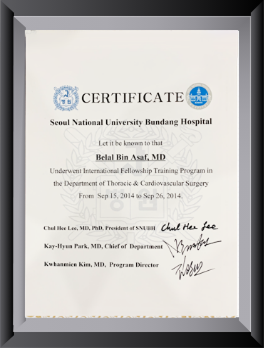
Dr. Belal Bin Asaf

Thoracic (Chest) Surgeon

Director, Institute of Chest Surgery,

Chest Onco-Surgery & Lung Transplantation, Medanta Hospital

Lung Transplant: Introduction, Cost and Success Rate

Lung transplant is a life-saving surgical procedure where a diseased or failing lung is replaced with a healthy lung from a donor. This complex surgery is often the last resort for patients with severe lung conditions when other treatments have failed to improve their quality of life. With advancements in medical technology and surgical techniques, lung transplants in India have become a viable option for patients, offering them a chance to breathe freely and live a more active life.

Common Conditions for Lung Transplant

Lung transplantation is considered a last resort for patients with severe, irreversible lung disease when all other treatment options have failed. The conditions that may lead to the need for a lung transplant are varied and complex. Here are the most common indications:

  • Chronic Obstructive Pulmonary Disease (COPD): COPD is one of the leading causes of lung transplants. This condition includes emphysema and chronic bronchitis, where the airways and air sacs in the lungs become damaged, making breathing increasingly difficult. When COPD progresses to the point where oxygen therapy and other treatments are no longer effective, a lung transplant may be considered.
  • Idiopathic Pulmonary Fibrosis (IPF): IPF is a chronic, progressive disease characterized by scarring (fibrosis) of the lung tissue. This scarring thickens the tissue, making it difficult for oxygen to pass into the bloodstream. The exact cause of IPF is often unknown, and the disease has a poor prognosis without intervention. A lung transplant is often the only treatment that can extend life in patients with advanced IPF.
  • Cystic Fibrosis (CF): CF is a genetic disorder that affects the lungs and other organs. It leads to the production of thick, sticky mucus that can clog the airways and cause severe respiratory and digestive problems. For patients with CF who have severe lung damage and frequent lung infections, a double lung transplant is often the best option for improving quality of life and longevity.
  • Pulmonary Hypertension: IPF is a chronic, progressive disease characterized by scarring (fibrosis) of the lung tissue. This scarring thickens the tissue, making it difficult for oxygen to pass into the bloodstream. The exact cause of IPF is often unknown, and the disease has a poor prognosis without intervention. A lung transplant is often the only treatment that can extend life in patients with advanced IPF.This condition involves high blood pressure in the arteries of the lungs, leading to right heart failure. Pulmonary hypertension can be idiopathic or secondary to other diseases such as scleroderma or congenital heart defects. When the condition becomes severe and unresponsive to medication, lung transplantation may be necessary.
  • Sarcoidosis: Sarcoidosis is an inflammatory disease that can affect multiple organs, but most commonly affects the lungs. In some cases, the inflammation leads to significant lung scarring and loss of lung function. For those with end-stage lung sarcoidosis, a lung transplant may be the only option.
  • Alpha-1 Antitrypsin Deficiency: This genetic disorder results in a deficiency of the alpha-1 antitrypsin protein, which protects the lungs from damage. Without adequate levels of this protein, patients are at high risk for developing emphysema at a young age. Lung transplantation may be considered when lung function becomes severely impaired.
  • Bronchiectasis: Bronchiectasis is a condition where the airways become permanently widened, leading to chronic infections and difficulty clearing mucus from the lungs. In severe cases, particularly when associated with conditions like CF, a lung transplant may be necessary.
  • Lymphangioleiomyomatosis (LAM): LAM is a rare lung disease that primarily affects women of childbearing age. It involves th abnormal growth of smooth muscle cells in the lungs, leading to airway obstruction, lung collapse, and eventually respiratory failure. For patients with advanced LAM, lung transplantation offers the only chance for long-term surviva

Types of Lung Transplant

There are three main types of lung transplants, depending on the patient's specific needs:

  • Single Lung Transplant: Involves replacing one diseased lung with a donor lung. This is typically done for conditions like pulmonary fibrosis.
  • Double Lung Transplant: Both lungs are replaced, which is often necessary for conditions like cystic fibrosis or COPD.
  • Heart-Lung Transplant: In some cases, both the heart and lungs may be transplanted together, especially in patients with severe heart and lung conditions.

Lung Transplant Procedure

The lung transplant procedure involves several steps:

  • Evaluation: Patients undergo a thorough evaluation to determine if they are suitable candidates for a lung transplant. This includes physical examinations, imaging studies, and assessments of lung function.
  • Waiting List: Once deemed eligible, patients are placed on a waiting list for a donor lung. The wait time can vary based on the availability of a suitable donor.
  • Surgery: When a donor lung becomes available, the transplant surgery is performed. The diseased lung is removed and replaced with the healthy donor lung, which is then attached to the patient's airways and blood vessels.
  • Recovery: Post-surgery, patients are monitored closely in the intensive care unit (ICU) and gradually begin rehabilitation. Lifelong medications to prevent organ rejection are required.

Lung Transplant Cost in India

The cost of a lung transplant in India can vary widely depending on the hospital, location, and the complexity of the case. On average, the cost ranges from INR 35 to 45 lakhs (approximately). This includes the cost of the surgery, hospital stay, medications, and post-operative care. It's important for patients to also consider the long-term cost of medications and follow-up care after the transplant.

Lung Transplant Success Rate in India

The success rate of lung transplants in India has improved significantly over the years, with leading centers achieving success rates comparable to international standards. On average, lung transplant patients have a one-year survival rate of 85% to 90%, while the five-year survival rate is around 50% to 60%. The success of the transplant is influenced by factors such as the patient’s overall health, the quality of the donor lung, and strict adherence to post-operative care and medications. Under the guidance of the Best Thoracic Surgeon in India, patients receive the support needed for better outcomes.

FAQs

Patients must undergo a comprehensive evaluation to assess overall health, severity of lung disease, and ability to follow post-transplant care. Criteria include end-stage lung disease, life expectancy under 2 years, no active infections, and no severe uncontrolled conditions.

Waiting time varies depending on donor availability, blood type, and urgency. It can range from a few months to over a year.

Recovery includes ICU stay, hospital stay of 2–3 weeks, pulmonary rehab, and lifelong medications. Full recovery may take several months.

Risks include organ rejection, infections, and medication side effects. Chronic rejection may develop over time.

Yes, most patients resume normal life within a year, with precautions and regular follow-ups.

Organ rejection is managed with immunosuppressive medications that prevent the immune system from attacking the new lung. Regular monitoring through blood tests, pulmonary function tests, and biopsies is essential.

Yes, patients should avoid raw or undercooked food, maintain a balanced diet, stay hydrated, and limit salt intake to manage blood pressure.

About 50% of patients survive 5 years post-transplant, but many live longer with proper care and monitoring.

Hospitals provide counseling, rehabilitation, and psychological support. Support groups and online communities also help patients and families.

Get In Touch

We are here for you! How can we help?

dr.belal
Dr Belal Bin Asaf

Director

Institute Of Chest Surgery, Chest

Onco-Surgery & Lung Transplantation

whatsapp-mobi
h-call
Appointment