

Dr. Belal Bin Asaf
Thoracic (Chest) Surgeon
Director, Institute of Chest Surgery,
Chest Onco-Surgery & Lung Transplantation, Medanta Hospital

-
 [email protected]
-
Follow Us:


Dr. Belal Bin Asaf
Thoracic (Chest) Surgeon
Director, Institute of Chest Surgery,
Chest Onco-Surgery & Lung Transplantation, Medanta Hospital
[email protected]


Patients across Delhi searching for pleural effusion treatment in Delhi are often surprised to learn that some of the region's most advanced thoracic surgery care is just across the border, a short drive from most parts of the capital via the DND Flyway. Dr. Belal Bin Asaf sees a large number of Delhi residents for pleural effusion, ranging from simple fluid drainage to advanced surgical management of complicated cases.
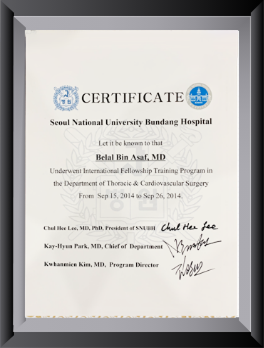
With over 15 years of experience in thoracic surgery, Dr. Belal Bin Asaf completed a fellowship in Thoracic Surgery at Seoul National University Bundang Hospital in South Korea, building on his earlier training as a Clinical Registrar in General Thoracic Surgery at AIIMS, New Delhi. He now serves as Director of the Institute of Chest Surgery, Chest Onco-Surgery & Lung Transplantation at Medanta Hospital, Noida (Sector 50), where his focus spans Robotic Thoracic Surgery, VATS, Lung Cancer, and Myasthenia Gravis & Thymoma treatment. This combination of Indian and international training makes him a sought-after pleural effusion doctor in Delhi, and a pleural effusion specialist Delhi residents can rely on without compromising on expertise.
Every lung is covered by a delicate membrane called the pleura, and a second layer of pleura lines the chest cavity itself. Between these two layers is a potential space that, under healthy conditions, contains only a thin film of fluid for lubrication. Pleural effusion is the medical term for what happens when this space abnormally fills with excess fluid, squeezing the lung from outside and reducing the space it has to expand with each breath. Left unaddressed, a large effusion can seriously compromise breathing and oxygen levels.
There are essentially two mechanisms. The first is transudative effusion, where fluid leaks into the pleural space because of a systemic problem with pressure or protein balance in the blood — this is typical of congestive heart failure, cirrhosis of the liver, and kidney disease. The second is exudative effusion, which happens when the pleura or lung itself becomes inflamed or diseased, allowing protein-rich fluid to accumulate. Tuberculosis is one of the leading causes of exudative pleural effusion seen in Delhi and across India, along with pneumonia and other lung infections (which can worsen into an infected effusion known as empyema), lung and pleural cancers causing malignant effusion, pulmonary embolism, and autoimmune diseases like lupus.
The hallmark symptom is breathlessness that tends to worsen gradually — first with walking or climbing stairs, then even at rest as the effusion grows. Patients frequently report a heavy, aching sensation on the affected side of the chest, particularly noticeable when taking a deep breath or coughing. A persistent dry cough without much phlegm is another common feature. If the fluid volume is large, breathing difficulty can become severe and requires prompt medical care.
Evaluation typically begins with a chest X-ray, a simple test that clearly shows fluid collection. An ultrasound of the chest is then performed both to confirm the diagnosis and to plan a safe point for needle drainage, avoiding injury to the lung or nearby organs. A CT scan of the chest may be added to look closely at the lung tissue, pleura, and any masses or loculated fluid pockets. Central to diagnosis is thoracentesis, in which fluid is withdrawn with a needle and analyzed in the lab — checking protein and LDH levels against Light's criteria to separate transudate from exudate, culturing for bacteria or TB, and examining the cells under a microscope (cytology) to rule out cancer.
The foundation of treatment is managing whatever is causing the fluid to accumulate — for example, heart failure medications, anti-TB therapy, or antibiotics for pneumonia. For quick symptom relief, therapeutic thoracentesis drains the fluid and helps patients breathe more comfortably almost immediately. Some effusions, however, are recurrent, infected, or trapped in pockets by scar tissue (loculated), and these need more than a needle aspiration. Dr. Belal Bin Asaf manages such cases with chest tube drainage and, where necessary, Video-Assisted Thoracoscopic Surgery (VATS) — a minimally invasive technique used to clear infected fluid, break down loculations, and decorticate a lung that has become trapped by a thickened pleural rind. For patients with malignant pleural effusions that keep returning, pleurodesis is used to permanently seal the pleural space and stop the fluid from coming back.
While there is no physical clinic within Delhi itself, Dr. Belal Bin Asaf's practice at Medanta Hospital, Noida, is considered by many Delhi residents to be the nearest and most reliable destination for advanced thoracic surgery. With over 15 years of focused experience in chest and lung surgery and the achievement of performing India's first Robotic Subxiphoid Thymectomy, he offers a level of sub-specialized expertise in pleural disease that is difficult to find within city limits, backed by Medanta's full thoracic surgery and critical care infrastructure. For patients researching the best pulmonologist for pleural effusion Delhi has access to, Medanta Hospital, Noida, functions as the nearest full-scale pleural effusion hospital in Delhi NCR, combining surgical and critical care resources under one roof.
Medanta Hospital, Sector 50, Noida, is easily accessible from most parts of Delhi, particularly East and South Delhi, via the DND Flyway and Noida-Delhi border crossings, typically making it a manageable same-day trip for consultations, diagnostic tests, and follow-up visits. Many Delhi patients coordinate their initial consultation and imaging in a single visit to minimize travel.
If you live in Delhi and have been experiencing breathlessness, chest discomfort, or have a known pleural effusion that needs specialist management, reach out to Dr. Belal Bin Asaf's team at Medanta Hospital, Noida, to arrange a consultation.
Prefer to book a consultation online right away? Dr. Belal Bin Asaf also sees patients for this condition in Noida and Gurgaon. Learn more about his full practice as thoracic surgeon in Delhi.

Medically Written & Reviewed By
Director, Institute of Chest Surgery, Chest Onco-Surgery & Lung Transplantation — trained at AIIMS, New Delhi, with a Thoracic Surgery fellowship at Seoul National University Bundang Hospital, South Korea; first surgeon in India to perform a Robotic Subxiphoid Thymectomy. View full credentials & experience →


Morning: 10:00AM - 2:00PM
Evening 4:00PM - 6:00PM(Mon to Sat)


