



 +91-9818045855

Waking up in the morning and noticing blood in your saliva can be alarming. It’s natural to feel concerned whether it’s a faint streak or a noticeable amount. Interestingly, many people report this happening only in the morning, with no further signs of blood throughout the day. This peculiar pattern often raises questions about what could be going wrong.
In this blog, we’ll explore the potential causes of spitting blood in the morning, explain why it might only occur then, and discuss when you should seek medical advice.
Contents [hide]
Understanding Hemoptysis (Coughing or Spitting Blood)
The medical term for coughing or spitting up blood is hemoptysis. Blood in the saliva could originate from various parts of your body, including:
- The respiratory tract (lungs, throat, or windpipe)
- The digestive tract (esophagus or stomach)
- The oral cavity (gums, teeth, or tongue)
Telling these apart matters, because blood coughed up from the lungs and blood that comes from the stomach are investigated very differently — our guide on the difference between hemoptysis and hematemesis explains how to spot which one you are dealing with.

Spitting blood specifically in the morning often points to conditions that worsen overnight or are linked to how your body behaves while you sleep.
Common Causes of Spitting Blood in the Morning
1. Gum Disease or Dental Issues
Bleeding gums are one of the most common causes of blood in saliva. Poor oral hygiene can lead to gingivitis or periodontitis, conditions that cause gum inflammation, bleeding, and infection. These conditions may worsen overnight due to:
- Reduced saliva production while you sleep, allowing bacteria to multiply.
- Accumulated plaque irritating the gums.
Signs to Watch For:
- Swollen, red, or tender gums.
- Bleeding during brushing or flossing.
- Bad breath or a foul taste in your mouth.
What to Do:
- Practice good oral hygiene by brushing and flossing regularly.
- Visit a dentist for a professional cleaning or evaluation if symptoms persist.
2. Dry Mouth and Nose
Dryness in the mouth or nasal passages is another frequent cause of spitting blood in the morning. During sleep, reduced airflow, mouth breathing, or sleeping in a dry environment can dry out mucous membranes. Dry tissue is more prone to cracking and bleeding.
Signs to Watch For:
- Waking up with a dry mouth or throat.
- Cracked lips or nasal irritation.
- Increased snoring or mouth breathing.
What to Do:
- Use a humidifier in your bedroom.
- Stay hydrated by drinking water before bed.
- Consider nasal sprays or saline rinses to keep nasal passages moist.
3. Nasal Bleeds or Sinus Infections
Blood in your saliva may come from your nose or sinuses. A common reason for this is postnasal drip, where mucus from your sinuses drips down the back of your throat. If your nasal passages are irritated, inflamed, or have small ruptured blood vessels, the blood can mix with saliva in the morning.
Signs to Watch For:
- Congestion or a blocked nose.
- Mucus dripping down your throat.
- Tenderness or pressure around the nose and cheeks.
What to Do:
- Treat any underlying sinus infection with over-the-counter decongestants or prescribed antibiotics.
- Avoid blowing your nose too hard to prevent vessel rupture.
- Use a saline spray or rinse to flush out irritants.
4. Acid Reflux (GERD)
Gastroesophageal reflux disease (GERD) occurs when stomach acid flows back into the esophagus. This can irritate and damage the lining of the esophagus, potentially causing tiny tears or ulcers that bleed overnight while you’re lying down.
Signs to Watch For:
- Heartburn or a burning sensation in the chest.
- Sour taste in the mouth or frequent belching.
- Difficulty swallowing.
What to Do:
- Avoid eating large meals or spicy foods before bedtime.
- Elevate the head of your bed to prevent acid from flowing upward.
- Consult a doctor for antacids or medications to control acid production.
5. Bronchitis or Other Respiratory Infections
Chronic bronchitis, pneumonia, or other respiratory infections can sometimes lead to small amounts of blood in saliva. Overnight, mucus buildup may irritate airways, and coughing in the morning can bring up traces of blood.
Signs to Watch For:
- Persistent cough, sometimes with mucus.
- Shortness of breath or wheezing.
- Fever, fatigue, or chest discomfort.
What to Do:
- Stay hydrated and rest to allow your body to recover.
- Seek medical attention if symptoms worsen, as antibiotics or other treatments may be required.
If the cough itself lingers for weeks rather than clearing up, read our guide on a cough that doesn’t go away to understand when it needs investigation.
6. Smoking or Vaping
Smoking cigarettes or vaping can damage your respiratory tract, making it more prone to irritation and bleeding. Overnight, the irritants linger in your throat, and morning coughing can bring up traces of blood.
Signs to Watch For:
- Frequent morning cough or “smoker’s cough.”
- Mucus with blood streaks.
- Chronic throat or lung irritation.
What to Do:
- Consider quitting smoking or vaping to prevent further damage.
- Drink plenty of water to soothe your throat.
The good news is that the airways begin to repair themselves once you stop — here is what happens and how to clean your lungs after quitting smoking.
7. More Serious Conditions (Lung Diseases or Cancer)
Although rare, spitting blood in the morning could signal a more serious underlying condition like tuberculosis (TB), lung cancer, or pulmonary embolism. These conditions are often accompanied by additional symptoms that shouldn’t be ignored.
Signs to Watch For:
- Persistent coughing that worsens over time.
- Unexplained weight loss or night sweats.
- Chest pain or shortness of breath.
- Coughing up large amounts of blood.
What to Do:
- See a doctor immediately if you experience any of these symptoms.
- Early diagnosis can significantly improve outcomes.
Because early lung cancer is often silent, it helps to be familiar with the hidden signs of lung cancer that are easy to overlook.
Why Does It Happen Only in the Morning?
The timing of spitting blood in the morning can be linked to how your body functions during sleep:
- Reduced Swallowing and Saliva Production: At night, swallowing decreases, allowing blood from minor injuries or irritations to accumulate in the mouth or throat.
- Postnasal Drip Accumulation: Mucus mixed with blood from the sinuses or nose collects overnight, only to be expelled in the morning.
- Lying Flat: When lying down, blood or mucus from the nasal passages or esophagus has a higher chance of flowing into the throat.
This combination of factors makes morning the most noticeable time for symptoms to appear. A closely related pattern is blood in sputum when clearing the throat in the morning, where the blood comes up with phlegm rather than plain saliva. If there is no cough at all, see blood in sputum without cough.
When to See a Doctor
While occasional blood in saliva may not be serious, you should seek medical attention if:
- The bleeding persists or worsens.
- You experience other symptoms like fever, chest pain, or significant weight loss.
- The blood is bright red or you cough up large quantities of it.
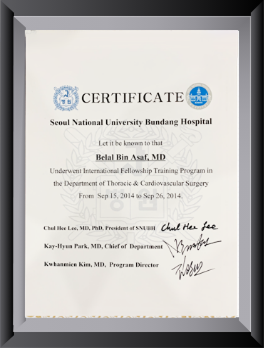
A healthcare provider can run tests like chest X-rays, CT scans, or blood work to determine the cause. If the bleeding is recurrent or heavy, a thoracic specialist should assess it — you can read about the full workup and hemoptysis treatment options available under Dr. Belal Bin Asaf. For practical steps in the meantime, see how to stop coughing up blood.
Conclusion
Spitting blood in the morning but not during the day is often due to mild and manageable conditions like gum disease, dry air, or nasal irritation. However, it’s essential to monitor the frequency and associated symptoms. Addressing the root cause—whether through improved oral hygiene, a humidifier, or medical treatment—can help resolve the issue and ease your worries.
If in doubt, always consult a healthcare professional to rule out more serious conditions. Early diagnosis and treatment can make all the difference in keeping your lungs, mouth, and throat healthy. To discuss your symptoms with a thoracic surgeon, you can book a consultation with Dr. Belal Bin Asaf.